
YOUR CHILD'S TEETH

Childhood Dental Care

Taking care of your teeth must begin at an early age. We’re passionate about teaching the next generation how to properly care for their pearly whites. Read on for more information regarding your child’s teeth and childhood dental care.

A GROWING SMILE

Early Care is the Best Care

Starting at birth, every baby needs a ‘medical home’ for regular doctor visits to ensure they stay healthy and get their vaccinations on time. Many parents don’t realize that babies also need a ‘dental home’ after their baby’s first birthday — or even sooner if there is a problem. Seeing a dentist early helps ensure that your baby doesn’t get early childhood tooth decay. This disease is much easier to prevent than it is to treat.

The American Academies of Pediatrics, Pediatric Dentistry, and the American Dental Association (ADA) recommend and encourage that every child be established in a dental home by the age of one.

First Teeth

6–12 months

The first tooth usually appears around 6 months. Wipe gums daily and start brushing as soon as teeth emerge.

Full Baby Set

By age 3

Most children have all 20 baby teeth by age three. This is the time to build strong brushing and flossing habits.

Mixed Dentition

Ages 6–12

Baby teeth begin to loosen and permanent teeth arrive. Sealants can help protect new molars.

Permanent Smile

Ages 12+

By the early teens, most permanent teeth are in place. We monitor alignment and wisdom-tooth development.

Teething Relief

Ongoing

Sore gums are normal. A chilled teething ring and gentle gum massage can bring comfort.

Orthodontic Watch

As needed

We track bite and spacing and refer to trusted orthodontists when the timing is right.

HELPFUL HABITS

Early Childhood Tooth Decay

Do you know that tooth decay is the most common childhood disease? 40% of American children have cavities by the age of six. Children under five may have to be heavily sedated or even have general anesthesia to get their teeth fixed. These cavities can be painful, and — worst of all — if children get cavities in their baby teeth, the infection may pass to their permanent teeth.

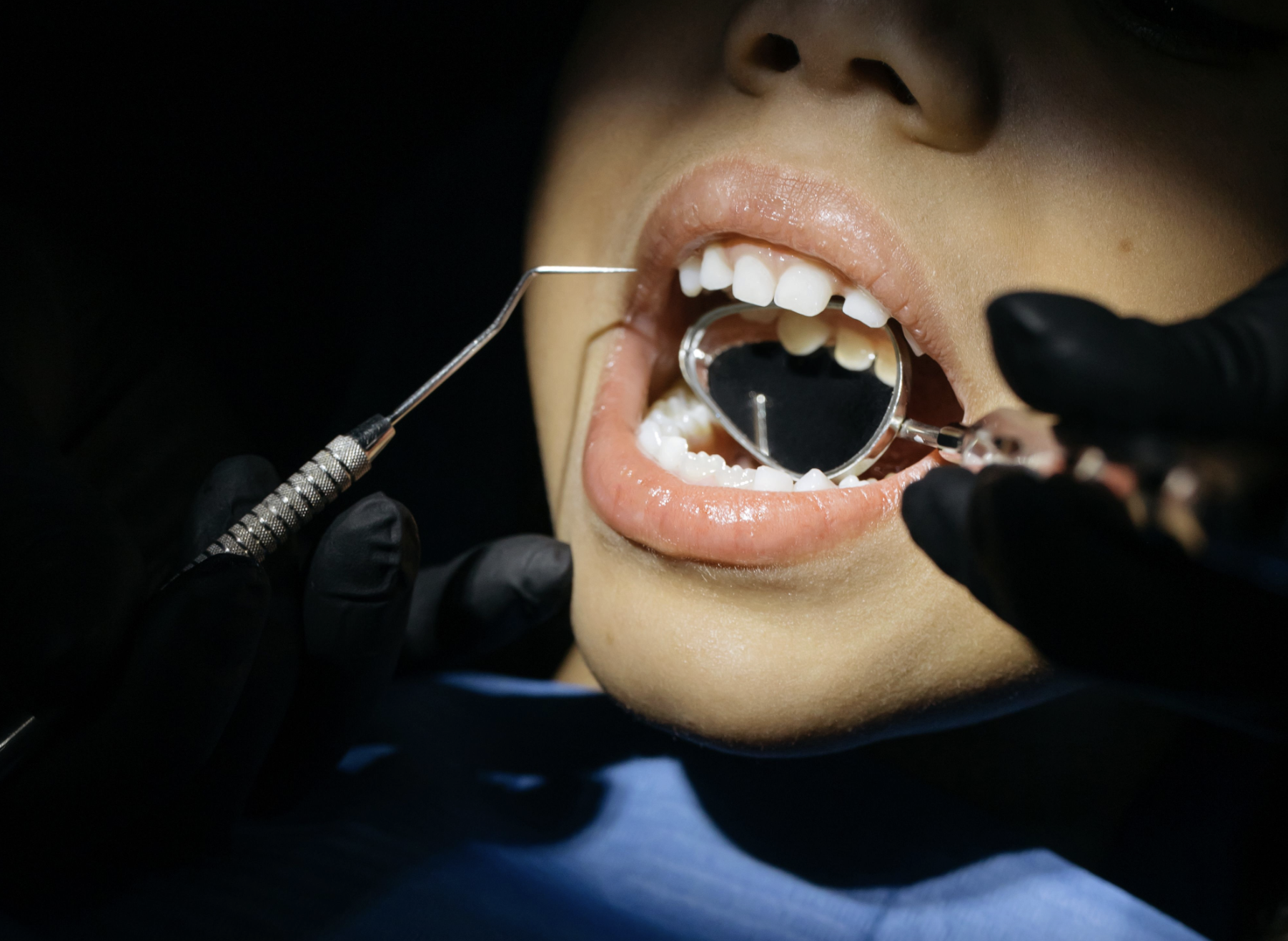
You can help your baby avoid this disease. Look closely and often at your baby's teeth. The first sign of a cavity is a white spot. These spots often start on the upper front teeth at the gum line. To check for these spots, lay your baby in your lap and lift the upper lip using your fingers.This is also a good way to clean the baby teeth.

Brown spots may indicate a more advanced infection. If you think you see white or brown spots, you should make an appointment. If you catch the cavity early, the dentist may be able to apply concentrated fluoride to the tooth and stop the infection before it spreads. If you don't take care of your baby's first teeth, your child may wind up with a lifelong struggle.

Ready to give your child a healthy smile?

New patients are always welcome. We make first visits easy, gentle, and fun.